The choice of outdoor flooring can radically transform the appearance of your home, add character to your driveway, or enhance your garden. With a multitude of options available on the market, selecting the ideal paving can become a real headache. The materials, shapes, colors, and surfaces vary widely, each having its own advantages and disadvantages. So how do you make the right choice to meet your aesthetic and functional needs? To guide you in this decision, here is a comprehensive overview of the types of paving you can consider.
Concrete Pavers: Strength and Variety
Concrete pavers are often favored for their durability and variety of styles. They are made of cement, sand, and gravel, making them particularly strong and long-lasting.
- Durability: Concrete pavers are extremely resistant to weather and the passage of time. They do not crack or sag easily, making them an ideal choice for high-traffic areas.
- Customization: Available in an endless range of colors, shapes, and sizes, they offer great design flexibility. Whether you want a modern or traditional style, you will surely find the concrete paver that matches your tastes.
- Cost: Generally cheaper than natural stone pavers, they represent an economical option while offering an attractive aesthetic.
- Maintenance: Relatively easy to maintain, they can be cleaned with a simple jet of water or cleaning products available on the market. To learn how to clean this type of paver, you can consult practical guides online.
Natural Stone Pavers: Elegance and Authenticity
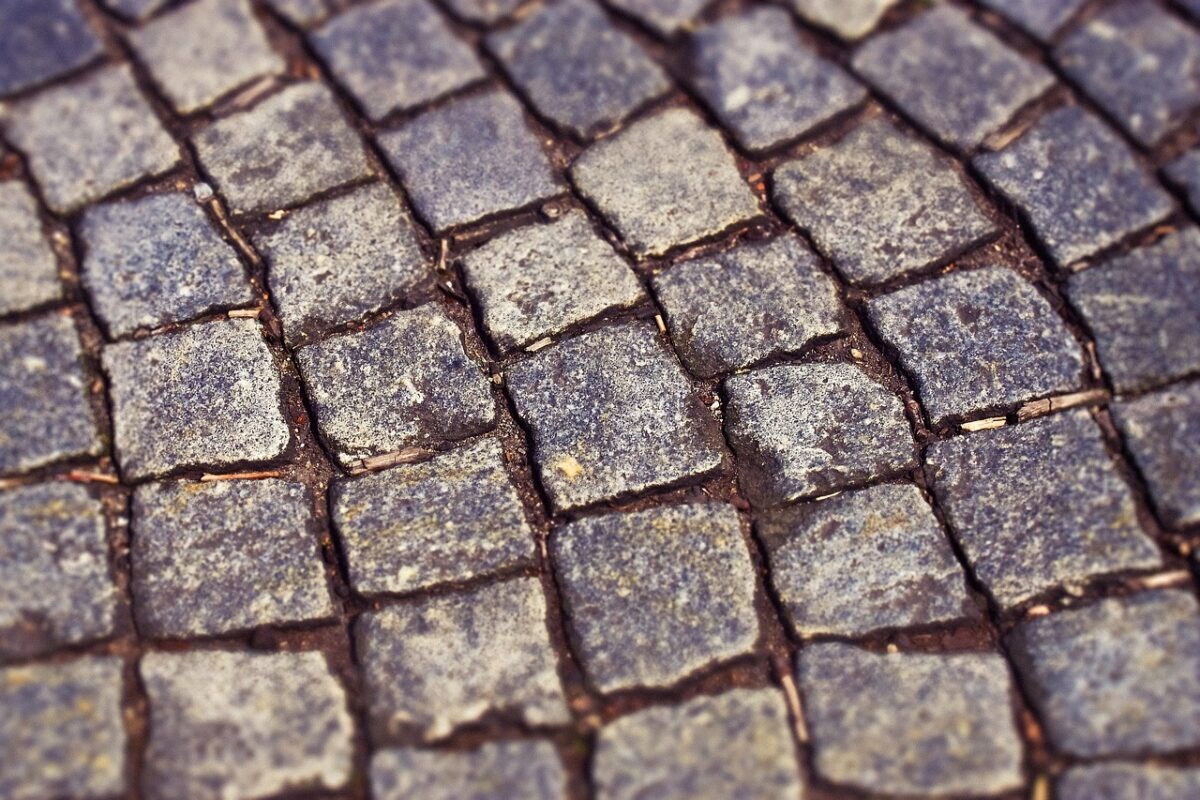
Choosing natural stone pavers adds a touch of authenticity and elegance to your exterior. Each paver is unique, giving undeniable charm to your landscaping.
- Aesthetic: Natural stone stands out for its unique and inimitable appearance, a true work of art shaped by nature. The variations in color and texture add a visual depth that artificial materials cannot replicate.
- Resistance: Although more expensive, this type of paver offers impressive durability. Natural stone withstands weather, wear over time, and pressure, making it a sustainable choice for driveways, terraces, or courtyards.
- Maintenance: Maintaining natural stone pavers may require more attention, especially to avoid stains. Using specific products suitable for each type of stone is recommended to preserve their shine over time.
Terracotta Pavers: Rustic Charm
Terracotta pavers, made from clay fired at high temperatures, bring rustic warmth and timeless charm to your exterior.
- Aesthetic: The typical red and brown hues of terracotta blend perfectly with rustic or Mediterranean decor. Their soft, natural texture harmonizes with lush green spaces.
- Durability: Although less resistant than concrete or natural stone, terracotta pavers remain sturdy and withstand moderate climate variations well. They are ideal for garden paths or patios.
- Maintenance: Maintenance is relatively simple but requires some vigilance to avoid the formation of moss and lichens. Regular cleaning helps maintain their beauty throughout the seasons.
Wood Pavers: An Ecological Alternative
Wood pavers, although less common, offer an ecological and aesthetic alternative for outdoor landscaping. They are made from treated hardwood to resist moisture and insects.
- Aesthetic: Wood brings a natural warmth and integrates harmoniously into wooded environments or landscaped gardens. The wood tones, ranging from light brown to dark brown, offer a wide range of decorative possibilities.
- Ecology: Choosing FSC-certified wood pavers (Forest Stewardship Council) ensures sustainable forest management. They represent an environmentally friendly option compared to traditional materials.
- Durability: When well-treated, wood pavers can last for many years. However, they require regular maintenance to preserve their splendor, including the application of protective products against moisture and UV rays.
- Maintenance: Maintaining wood pavers is relatively simple but must be rigorous to avoid degradation. Periodic cleaning and the application of protective products are necessary to ensure their longevity.
By choosing the type of paver that best suits your needs and tastes, you can create an outdoor space that is both functional and aesthetic. Whether you opt for the robustness of concrete, the elegance of natural stone, the charm of terracotta, or the ecological originality of wood, each option offers distinct advantages. Take the time to carefully assess your requirements and preferences to make an informed choice and transform your garden or driveway into a true haven of peace.