The leisure sector in France encompasses a range of activities pursued outside of working hours, from sports to cultural outings, including board games and immersive experiences. This landscape has been evolving in recent years due to three forces: the digitization of practices, the search for proximity, and the emergence of hybrid formats combining in-person and digital experiences. Understanding these changes helps to identify what distinguishes a passing fad from a lasting trend.
Mind Sports: Intellectual Hobbies Become Structured Activities
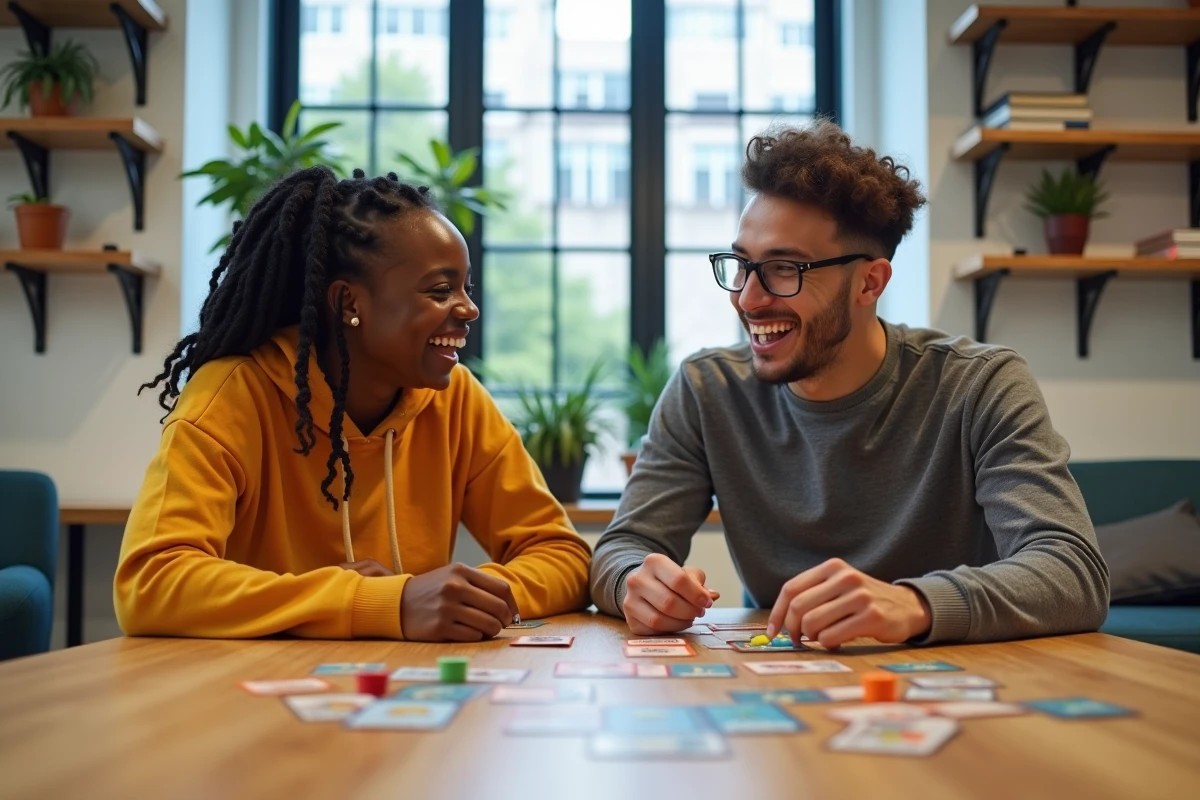
Chess, Go, tabletop role-playing games, and speedcubing are no longer just simple home pastimes. Since 2023, the relevant federations have reported a sustained increase in demand for tournaments, clubs, and hybrid events combining in-person, Twitch, and Discord. The driving audience is primarily among 15-35 year-olds.
This dynamic has given rise to a fully-fledged commercial offering. Specialized gaming cafés are opening in city centers, private chess schools are offering progressive curricula, and paid role-playing game conventions are filling venues with hundreds of seats. The “live-streamed tournament” format borrows its codes from e-sports, attracting sponsors who are usually absent from the gaming world.
To keep up with these developments and other topics related to recreational activities, leisure on 42 Le Mag regularly covers these new formats.
This phenomenon deserves attention because it shifts the very notion of active leisure. Structured cognitive effort becomes a social leisure activity, complete with competition calendars, rankings, and online communities. Local authorities are beginning to integrate these practices into their cultural programming, alongside painting workshops or yoga classes.
Leisure Equipment Rental: An Expanding Business Model
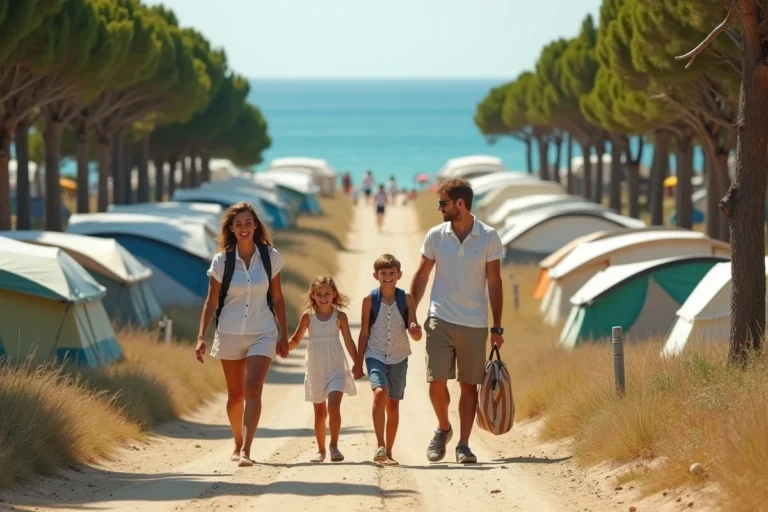
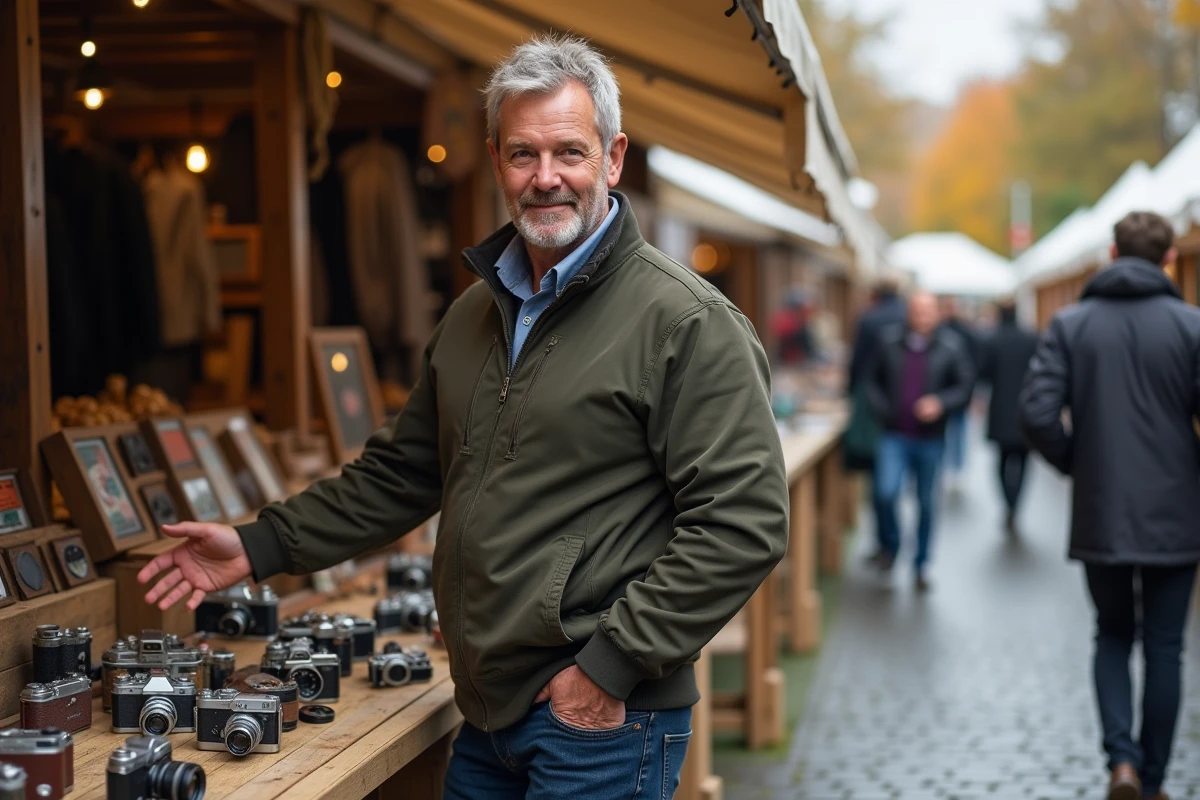
Buying leisure equipment is expensive, especially for activities pursued occasionally. Since 2023, rental platforms for leisure items (cargo bikes, paddleboards, camping gear, musical instruments) have seen a significant increase in usage. Generalist brands have also launched their own short-term rental offerings.
Three factors explain this shift:
- The entry cost for an activity is decreasing, encouraging experimentation without heavy financial commitment.
- Storage constraints in urban areas make purchasing impractical for bulky equipment like kayaks or climbing kits.
- Environmental awareness drives some practitioners to prefer shared use over individual ownership.
This shift towards renting rather than buying is not limited to outdoor sports. Musical instruments, virtual reality consoles, and even high-end board games are entering these circuits. For companies in the sector, the challenge is to ensure the equipment is in perfect condition for each rotation, which requires rigorous maintenance logistics.
Leisure Prescription by Local Authorities: Leisure as a Health Factor
Several French cities and departments have been experimenting for a few years with systems where social workers and health centers direct residents towards structured leisure activities: creative workshops, book clubs, cultural or sports outings. These programs are partially funded by local authorities.
The goal goes beyond mere entertainment. These “leisure prescriptions” target social isolation and psychological distress, two issues amplified since the health crisis. The system is inspired by physical activity prescriptions already used in medicine, but it broadens the scope to non-sporting leisure.
In practice, a social worker identifies a need (breakdown of social ties, anxiety, disengagement), then directs the person to a partner association or municipal structure. The funding covers all or part of the registration fee. The regulatory challenge remains unclear: these systems do not fall under medical care or traditional social action, complicating their budgetary sustainability.
Proximity Experiences and Immersive Technologies: Two Converging Trends
The EY Media & Entertainment Pulse Poll, conducted with over 4,000 participants worldwide, confirms a clear shift: the majority of Europeans prefer local experiences for their leisure activities. Cinema, concerts, sporting events, live performances: attendance is increasing, but within a limited geographical radius.
This preference for proximity does not imply a retreat. Immersive technologies (augmented reality, interactive devices in museums, scripted escape games) enrich the local offering and provide a dimension that distant travel may not necessarily offer. A regional theme park equipped with mixed reality installations can compete with more distant destinations in terms of experiential intensity.
In terms of digital usage, reservations, purchases, and contactless payments represent a dominant share of transactions related to leisure. Technology is no longer a complement: it structures the journey from start to finish, from discovering an activity on social media to sharing the experience afterward.
What Distinguishes a Lasting Trend from a Fad
A reliable criterion: the creation of infrastructure. When gaming cafés open, when local authorities budget for leisure prescriptions, when brands invest in rental equipment fleets, the phenomenon transcends seasonal buzz. Material investment anchors the trend over time.
Leisure in France is no longer limited to a choice between cultural outings and sports activities. The boundary between physical effort and cognitive effort is blurring, ownership is giving way to usage, and public policies are beginning to recognize leisure as a health lever. The next marker to watch will be the ability of local authorities to embed these systems into stable budgets, beyond the experimental phase.