A square rear tire after a season of daily rides, a loose chain skipping in a parking lot, a U-lock forgotten on the fork when starting up: one often learns about motorcycling through field errors. Before discussing passion or two-wheeler news, these practical details that condition every outing must be addressed.
Motorcycle Maintenance: The Field Checks That No One Plans
We check tire pressure before a long trip, but rarely before the Monday morning commute. The direct consequence: asymmetric wear on the rear tire, especially on urban roadsters used in a straight line. On a Kawasaki Z650 used daily, the central side flattens well before the legal limit of the tread.
The chain poses a similar problem. Lubricating and checking the tension every 500 to 800 km remains the manufacturer’s recommendation, but in practice, we postpone the operation. Excessive play accelerates the wear of the complete kit (sprocket, chain, rear sprocket), and replacement costs significantly more than a regularly applied spray of grease.
A rarely discussed point: the brake fluid level. On many motorcycles, the reservoir is accessible without tools, but we never check it until the lever becomes spongy. Visually checking this level once a month takes thirty seconds. The resources available on motor-xclub.com allow for a deeper understanding of these routine maintenance reflexes and finding benchmarks suitable for each type of machine.
Motorcycle and Scooter Theft: The Protection Practices That Really Work
The recent dynamics of two-wheeler thefts in France are often overlooked by motorcycle news sites, which focus more on rider equipment. Data from the National Observatory of Delinquency and Criminal Responses (ONDRP) confirm a rising trend in recent years, with scooters and trails particularly targeted in urban areas.
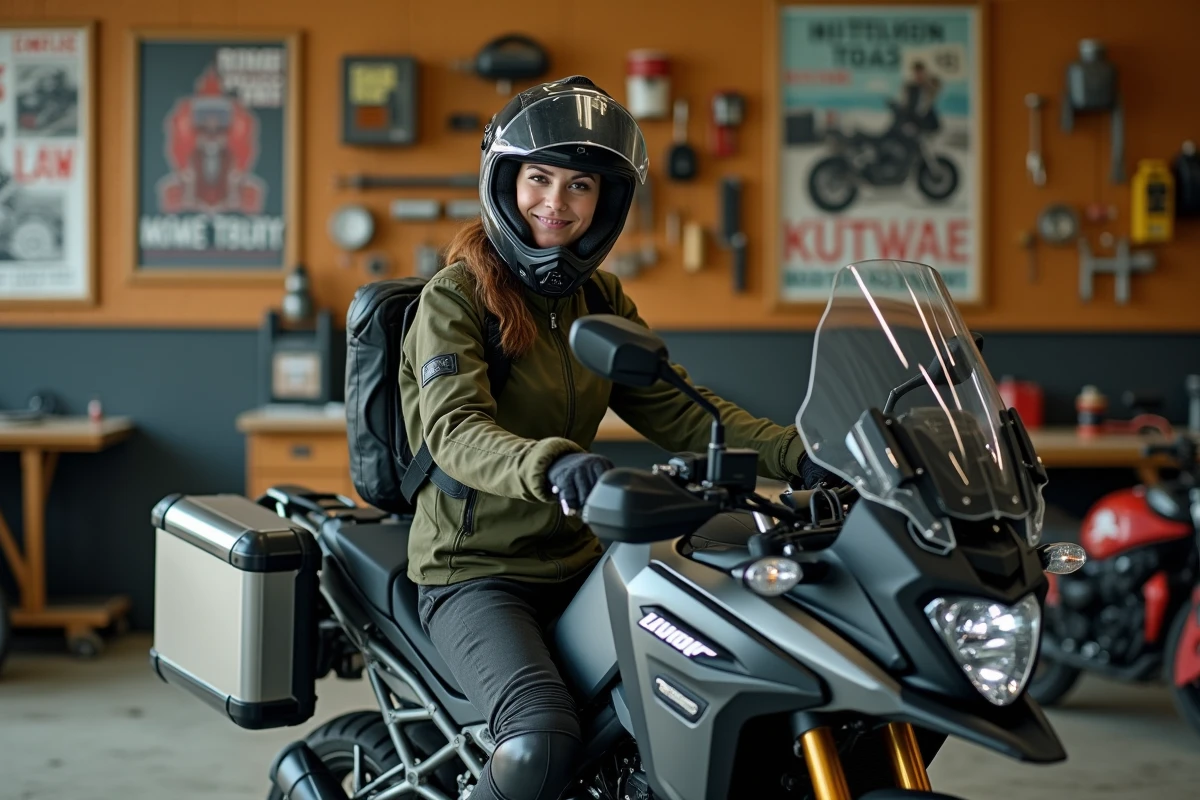
A certified SRA U-lock attached to the front wheel is not enough if the motorcycle is consistently parked in the same spot, visible from the street. Thieves notice habits. Varying parking locations, even by a few meters, complicates spotting.
Combination of Locks and Appropriate Insurance
The most effective strategy combines an SRA U-lock on the front wheel and a chain attached to a fixed point. Several insurers (MAIF, certain specialized mutuals) now condition their theft coverage on the presence of two certified devices. Before subscribing, it’s wise to check three elements:
- The insurer’s specific requirement regarding lock certification (SRA standard or equivalent)
- The geographical coverage, as some policies exclude theft on public roads at night
- The amount of the deductible, which varies significantly from one contract to another for two-wheelers
Feedback varies on the usefulness of inexpensive GPS trackers. Some motorcyclists find them deterrent, while others report signal loss in underground parking. A tracker remains a complement, not a substitute for a physical lock.
ZFE Restrictions for Gas Motorcycles: What Changes in Practice
Low emission zones (ZFE) also affect motorized two-wheelers, a point that many motorcyclists discover late. Paris, Lyon, and Grenoble are already implementing progressive restrictions based on the Crit’Air sticker. A motorcycle classified as Crit’Air 3 or higher may be prohibited from circulating in certain areas during specified hours.
The Ministry of Ecological Transition has noted in its ZFE reports difficulties in harmonization between metropolitan areas. Implementation timelines differ, as do exemptions. Result: a motorcyclist traveling between Lyon and Grenoble must check two distinct regulations.
Exemptions and Special Cases
Requests for exemptions for classic motorcycles and commuting have significantly increased in recent years. The procedure generally goes through the relevant metropolitan area, not the prefecture, adding an administrative layer.
For owners of older gas trails or roadsters, the question arises: keep the motorcycle and request an exemption, or switch to a newer, better-rated model. The budget comes directly into play, as a used Crit’Air 1 motorcycle is often more accessible than a new electric model.
Electric Motorcycle in Daily Use: Field Feedback on Range and Charging
Manufacturer announcements highlight flattering ranges measured under optimal conditions. In practice, riding in winter with heated gear plugged into the auxiliary battery significantly reduces actual range. Feedback from motorcyclists using electric models daily consistently points out: the advertised range drops by a good third in cold weather.
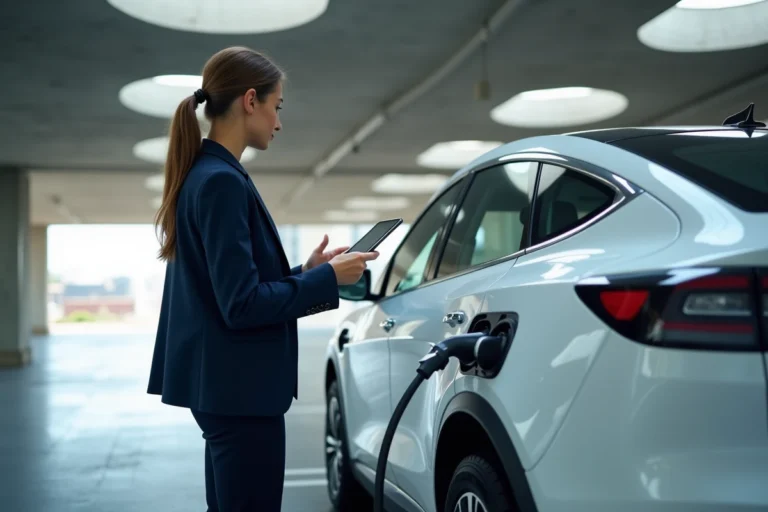
Charging poses another concrete problem. In co-ownership, installing a dedicated socket in an underground parking lot requires a vote in the general assembly and electrical compliance. Many urban motorcyclists simply do not have access to a charging station at home.
Compatibility with Public Charging Stations
Fast charging stations are designed for cars. Some electric motorcycles use different connectors or charging powers, which extends the plugging time or requires searching for a compatible station. In rural areas, the network remains too sparse to confidently consider a trail trip of several hundred kilometers.
- Check the compatibility of the charging connector before purchasing (Type 2, CCS, domestic socket)
- Identify charging stations along the route with a dedicated app, not just the built-in GPS
- Plan for a range margin of at least a quarter of the trip to absorb discrepancies between manufacturer data and real conditions
The electric motorcycle is progressing, but its daily adoption still depends on very concrete infrastructure constraints. For a motorcyclist who mainly rides in the city with access to a socket, the transition is justified. For mixed road and trail use, gas still holds the practical advantage, at least until the charging network densifies further.