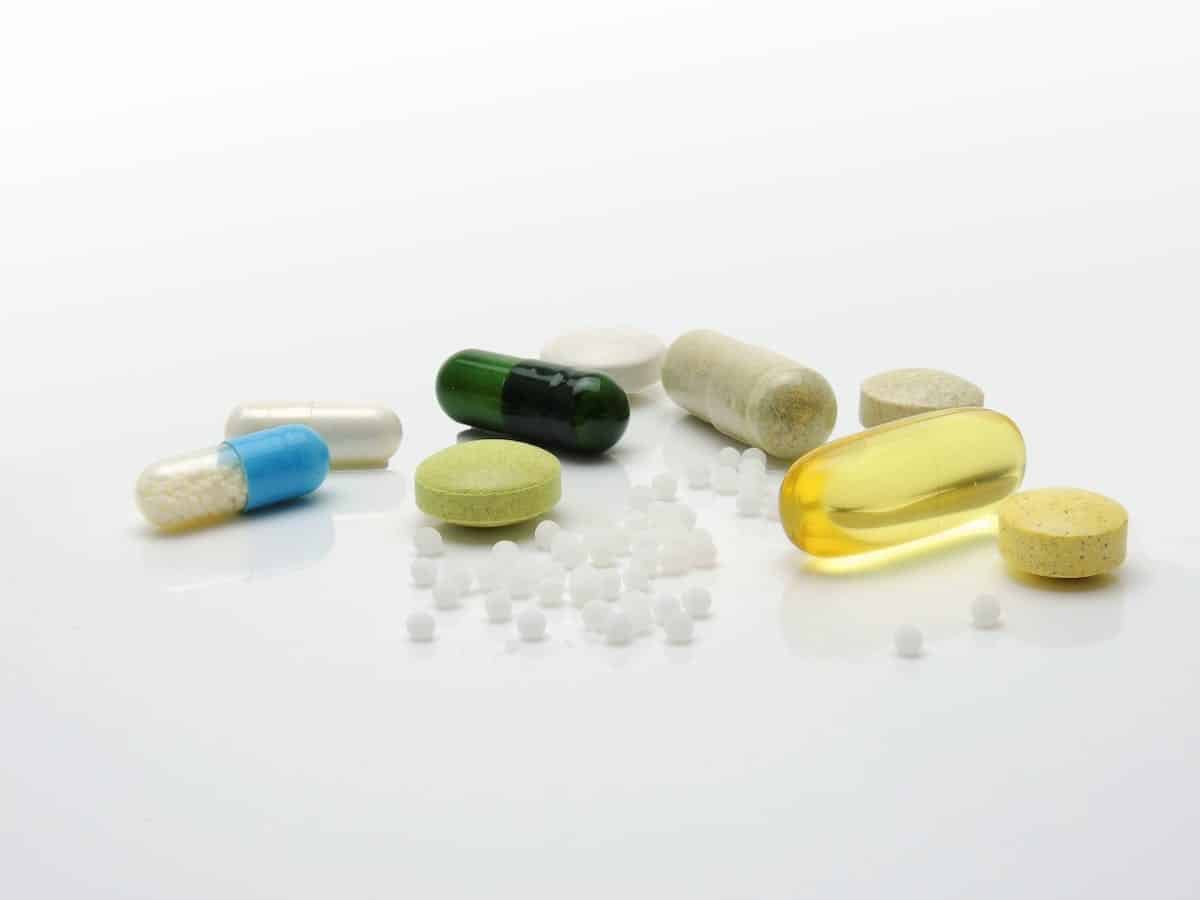
In terms of nutrition, be sure to take into account not only daily nutritional needs but also any potential interactions with medication treatments. Certain foods can indeed influence the effectiveness of these treatments, either by increasing or decreasing their absorption by the body. Make sure to be well-versed in good culinary practices to avoid these unwanted interactions. This is precisely what this guide offers, providing practical tips for cooking in a healthy way that is suitable for various medication regimens. It is aimed at all those who wish to combine culinary pleasure with respect for their health.
Medication Regimens: Essential Principles
In the realm of medication regimens, one of the most delicate topics to address is undoubtedly that of the ‘menu for cortisone diet’. People on corticosteroid treatment typically face several side effects, including weight gain. Therefore, it is necessary to establish a proper diet to avoid excessive weight gain and other complications.
That said, since these medications tend to promote water retention and fat storage, a menu for a cortisone diet should be designed with a low-salt and low-fat approach. As much as possible, avoid foods that cause inflammation or further disrupt hormonal balance.
A typical example of such a menu could include a breakfast of a bowl of oatmeal with red fruits (rich in antioxidants) and a cup of green tea (diuretic effect). Lunch could feature grilled fish rich in omega-3 accompanied by a green salad dressed with lemon instead of salt. Dinner might consist of a homemade soup containing plenty of roasted vegetables.
You should plan a dietary program, not only to know what to eat but also when to eat. Ideally, spread your meals out: three main ones—breakfast, lunch, dinner—and two snacks in between.
On the other hand, let’s not forget that each case is unique, and establishing a menu for a cortisone diet may require the help of a healthcare professional. They will be able to personalize the diet according to the specific needs of the patient.
One should not simply follow this type of menu to limit the side effects of cortisone. Combining this diet with daily physical activity (even moderate) can help prevent weight gain and improve overall well-being.
Understanding how to balance one’s diet while on medication is not just an aesthetic concern, but above all, a matter of overall health. The ‘menu for cortisone diet’ is just one example among many that illustrates how to adjust our culinary style to our medical requirements.

Treatments and Nutrition: Challenges to Overcome
In the field of medication regimens, nutritional issues are numerous and can vary depending on the treatment being followed. Among these issues is the matter of nutrition during treatments aimed at reducing cholesterol levels.
When undergoing such treatment, you must maximize the beneficial effects of the medications while limiting the consumption of saturated and trans fats. Indeed, these fats tend to increase cholesterol levels in the blood.
To do this, you need to decrease cholesterol absorption in the intestines. They also provide a good amount of plant-based proteins that will help maintain a good nutritional balance.
It is also recommended to introduce more foods containing monounsaturated fatty acids such as those found in certain nuts (walnuts, almonds) as well as in certain vegetable oils (olive oil). These fatty acids help reduce bad cholesterol levels while promoting good cholesterol levels.
Regarding meat, it is advisable to prefer lean cuts such as skinless poultry or omega-3 rich fish like salmon. These contribute to reducing inflammation and protecting the cardiovascular system.
Consumption of fresh fruits and vegetables is also recommended in this type of diet. They are rich in antioxidants, vitamins, and essential minerals that play a key role in preventing cardiovascular diseases.
You should avoid food additives such as artificial colorings or flavor enhancers. Prioritizing a natural and unprocessed diet will help avoid these potentially harmful substances for health.
It should be emphasized that an adapted diet does not systematically replace medication treatment but can be an effective complement in managing certain issues related to treatments.
Tip 1: Vary Your Foods for Optimal Health
In the context of medication regimens, the number one tip is to place great importance on the variety of foods. Indeed, it is essential to consider the necessary needs to maintain health and promote the effectiveness of medication treatment.
A varied diet offers multiple benefits. It helps avoid nutritional deficiencies by providing a wide range of vitamins, minerals, and antioxidants essential for the body’s proper functioning. Deficiencies can hinder the action of medications and compromise their effectiveness.
The variety of foods also contributes to stimulating the immune system and strengthening the body’s natural defenses.
Tip 2: Prepare Your Meals in Advance to Save Time
The second tip that can greatly facilitate the implementation of a medication regimen is meal preparation in advance. Indeed, when following a specific medical treatment, it should be noted that meal preparation in advance should not be seen as an additional burden but rather as an opportunity. It is an effective way to optimize your time while ensuring a healthy diet suitable for your medication regimen. With a bit of organization and planning, this tip becomes easily achievable for anyone looking to reconcile medical treatment and nutritional well-being.
Tip 3: Spices and Herbs for Flavorful and Healthy Cooking
When following a medication regimen, it is crucial to find alternatives to enhance the flavor of our dishes without compromising our health. This is where the use of spices and aromatic herbs comes into play.
Spices and herbs are not only an excellent way to flavor our meals, but they also bring a multitude of health benefits. They can help reduce inflammation, stimulate digestion, strengthen the immune system, and even have anticancer properties.
To start, let’s talk about spices. Turmeric, for example, is known for its powerful anti-inflammatory properties thanks to its active substance, curcumin. It can be used in various dishes such as curries or stews to give an exotic flavor while enjoying its benefits.
Ginger, on the other hand, is excellent for relieving digestive issues such as nausea or bloating. It can be used fresh or dried in your marinades or soups to add a spicy and invigorating touch.
As for aromatic herbs, basil is a must. It not only provides an unmatched freshness to our dishes but also has remarkable antioxidant properties due to its richness in vitamins A and K. You can add fresh basil to your salads or homemade sauces to enhance their flavor.
Mint is also highly appreciated both in cooking and in herbal medicine. It is known for its digestive and soothing properties. You can use it in your infusions, salads, or even desserts for a refreshing touch.
Let’s not forget rosemary, which adds a powerful flavor to our dishes while stimulating digestion and improving concentration. It can be used fresh or dried in marinades, grilled meats, or even pastries.
The use of spices and aromatic herbs allows us to add zest to our plates while preserving our health. Feel free to experiment with different combinations to awaken your taste buds and fully benefit from the advantages they offer.
Tip 4: Find the Balance Between Pleasure and Dietary Constraints
When you have to follow a medication regimen, it is essential to find a balance between dietary constraints and the pleasure of eating. This may seem difficult at first glance, but with creativity and the use of appropriate ingredients, it is possible to concoct tasty meals that meet our medical needs.
One tip for achieving this balance is to experiment with different textures and presentations of foods. For example, if you are required to limit your salt intake, you can compensate by adding spices or aromatic herbs to enhance flavor without compromising your health. Playing with textures in your dishes can add an extra dimension to your meals. Consider pairing crunchy vegetables with a creamy sauce or incorporating crispy quinoa into a fresh salad.
Another tip is to use healthy alternatives to traditional ingredients. For instance, if you need to reduce your intake of saturated fats, try using healthy vegetable oils like extra virgin olive oil or unrefined coconut oil in your cooking preparations. These oils contain less saturated fat and also offer health benefits such as protecting the cardiovascular system and improving metabolism.
When preparing your main dishes, opt for lean, high-quality proteins, such as fish or skinless poultry. These protein sources are lower in saturated fats than red meat and can be cooked in various ways to preserve their flavor while meeting your nutritional needs.
Don’t forget the importance of a balanced diet. Be sure to include fresh fruits and vegetables as well as whole grains in your regimen, which will provide essential fibers, vitamins, and minerals for your body. You can also turn to healthy alternatives to traditional dairy products, such as low-fat Greek yogurt or calcium-enriched plant milk.
The balance between pleasure and dietary constraints is entirely achievable when following a medication regimen. By being imaginative in the kitchen and using appropriate ingredients, we can continue to enjoy delicious meals that support our health. Don’t hesitate to consult a nutrition professional for more personalized advice on appropriate food choices for your specific situation.